
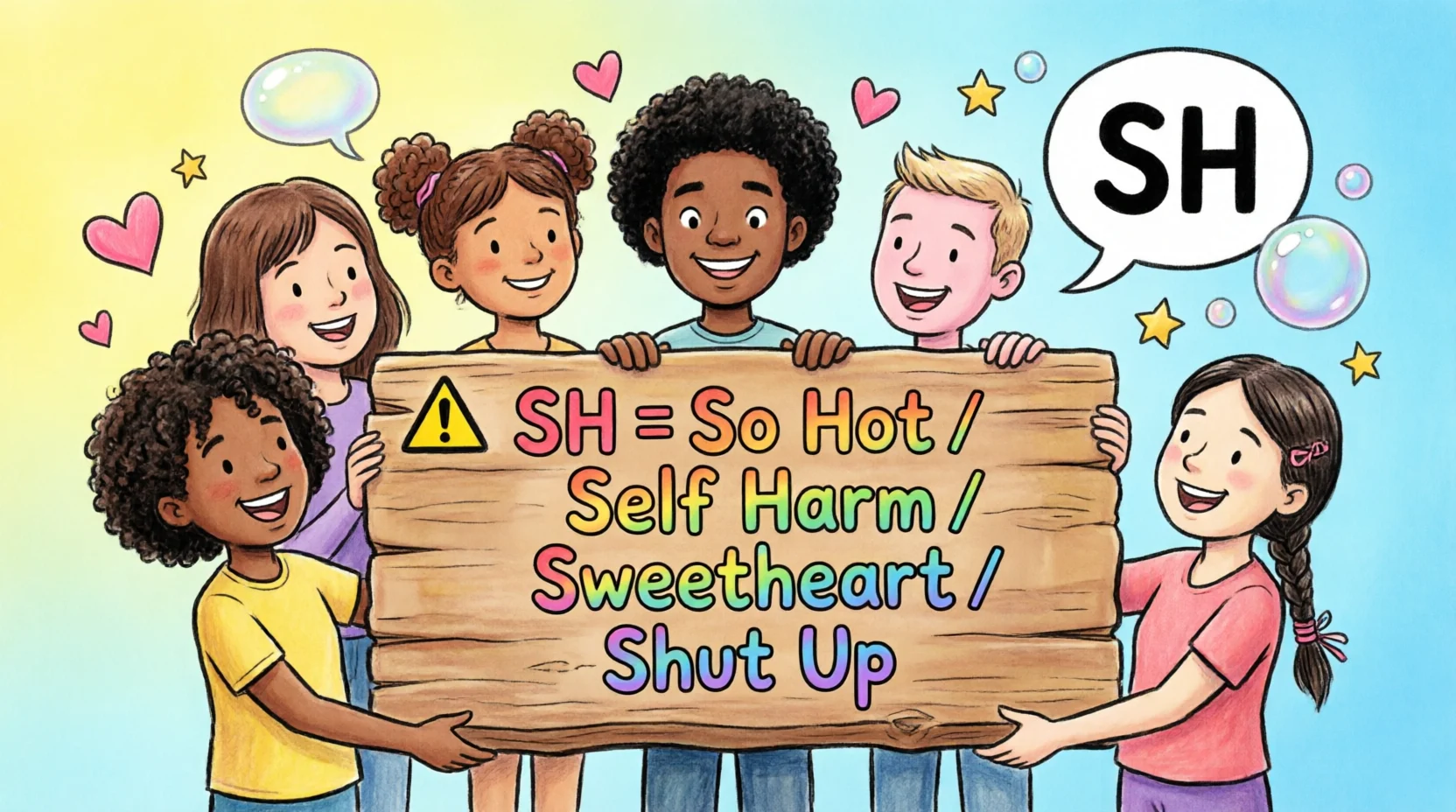
If you’ve ever received a message that simply says “sh” and paused for a moment wondering what it meant, you’re not alone. Internet slang moves fast, and short abbreviations like this can carry different meanings depending on the context.
In this guide, I’ll walk you through what “SH” really means in text messages, how people use it on social media, and how you can understand it correctly in different situations. No confusing jargon—just clear, simple explanations.
What Does “SH” Mean in Text?
In most cases, “SH” means “shh” or “be quiet.”
It’s a short, quick way to tell someone to:
- Stay quiet
- Keep something secret
- Lower their voice (even in a playful way)
Think of it as the digital version of putting a finger over your lips and saying “shhh.”
Why Do People Use “SH” Instead of “Shhh”?
People shorten words online to type faster. Over time, even something like “shhh” gets reduced to just “sh.”
Here’s why it’s popular:
- It’s quick to type
- It feels casual and natural
- It fits texting and chat culture
- It matches the fast pace of conversations
In short, it’s all about speed and simplicity.
Common Meanings of “SH” in Different Contexts
While “be quiet” is the most common meaning, “SH” can have a few variations depending on how it’s used.
1. “Be Quiet” or “Shh”
This is the most direct meaning.
Example:
- “SH! Don’t tell anyone about the surprise.”
2. “Keep It Secret”
Sometimes it’s not about literal silence, but about confidentiality.
Example:
- “I’ll tell you something, but SH… don’t share it.”
3. Playful or Flirty Silence
In casual or playful chats, it can feel light-hearted.
Example:
- “SH 😄 just enjoy the moment.”
4. Dramatic or Emphasis Effect
Some people use it for dramatic effect in storytelling.
Example:
- “And then… SH… everything went silent.”
How “SH” Is Used on Social Media
On platforms like WhatsApp, Instagram, Snapchat, or TikTok comments, “SH” is often used in a relaxed and expressive way.
In Chats
- “SH, I’m watching a movie.”
- “SH, my parents are here 😂”
In Comments
- “SH, don’t expose them like that.”
- “SH, this is too funny.”
In Stories or Captions
- “SH… big news coming soon.”
It adds a sense of mystery, secrecy, or humor depending on tone.
Tone Matters: Friendly vs Serious
The meaning of “SH” depends heavily on tone.
Friendly Tone
- Light, playful, joking
- Often includes emojis or laughter
Example:
- “SH 😂 don’t say that!”
Serious Tone
- More direct and firm
- Used to stop someone from speaking or sharing
Example:
- “SH. This is important.”
Understanding tone helps you avoid misunderstandings.
Is “SH” Rude?
Not usually—but it can be, depending on how it’s used.
When It’s Not Rude
- Between friends
- Used jokingly
- In casual conversations
When It Can Feel Rude
- In serious discussions
- When used abruptly
- Without context or explanation
If you’re unsure, it’s better to use a softer phrase like:
- “Wait a second”
- “Hold on”
- “Keep it between us”
Other Meanings of “SH” You Should Know
Although rare in casual texting, “SH” can have different meanings in specific contexts.
1. “Self-Harm” (Serious Context)
In mental health discussions, “SH” may refer to self-harm.
Important:
If you see this meaning, take it seriously and respond with care and support.
2. “Same Here”
Some people use “SH” to mean “same here,” though this is less common.
Example:
- “I’m tired today.”
- “SH 😴”
3. Initials or Abbreviations
Sometimes “SH” is just initials:
- A person’s name
- A place
- A brand
Context is key here.
How to Know What “SH” Means in a Message
If you’re confused, look at these clues:
1. Check the Conversation
What were you talking about before?
2. Look at Tone
Is it serious, funny, or casual?
3. Notice Emojis
Emojis often show the intention:
- 😂 → playful
- 🤫 → secret
- 😐 → serious
4. Ask If Needed
If you’re still unsure, just ask:
- “What do you mean by SH?”
There’s nothing wrong with clarifying.
Real-Life Examples of “SH” in Text
Here are some natural examples to help you understand better:
- “SH, they’re coming!”
- “SH 🤫 don’t ruin the surprise.”
- “I have a secret… SH.”
- “SH 😂 you’re too loud.”
- “SH, listen carefully.”
Each one uses the same word but feels slightly different.
When You Should Use “SH”
You can use “SH” when:
- You want to be quick and casual
- You’re chatting with friends
- You’re joking or teasing
- You want to add a sense of secrecy
When You Should Avoid Using “SH”
Avoid it when:
- You’re talking to someone formally
- You’re in a professional setting
- The conversation is serious
- It might sound disrespectful
In those cases, clearer and more polite language works better.
“SH” vs Similar Internet Slang
Here are some similar expressions and how they differ:
“Shhh”
- More expressive
- Feels softer and more natural
“Hush”
- Slightly more formal
- Can sound polite or old-fashioned
“Be Quiet”
- Direct and clear
- Can sound strict
“Keep It Low”
- More modern slang
- Focuses on secrecy rather than silence
Why Understanding Slang Like “SH” Matters
Internet slang is more than just shortcuts—it’s part of how people connect online.
Understanding terms like “SH” helps you:
- Communicate more naturally
- Avoid misunderstandings
- Stay updated with modern language
- Feel more confident in conversations
Even small words can carry big meaning.
Final Thoughts
So, what does “SH” mean in text?
Most of the time, it simply means “shh” or “be quiet.” But depending on the situation, it can also suggest secrecy, playfulness, or even something more serious.
The key is always context.
Next time you see “SH” in a message, don’t overthink it—just look at the tone, the conversation, and the intent behind it. You’ll understand it instantly.
And if not? Just ask. That’s still the simplest and smartest move.
descover more post
What Does SPWM Mean in Text Real Meaning Examples 2026
What Does DTF Mean in Text Real Meaning Examples 2026
What Does what does bsfs mean in Text Real … – Meanliab.com

N. Vexa is a dedicated content writer who specializes in explaining words, meanings, and internet slang in the simplest way possible. With a strong focus on clarity and accuracy, N. Vexa creates content that helps readers quickly understand modern language without confusion. Known for a hardworking approach and attention to detail, the goal is always to make information easy, useful, and accessible for everyone.