
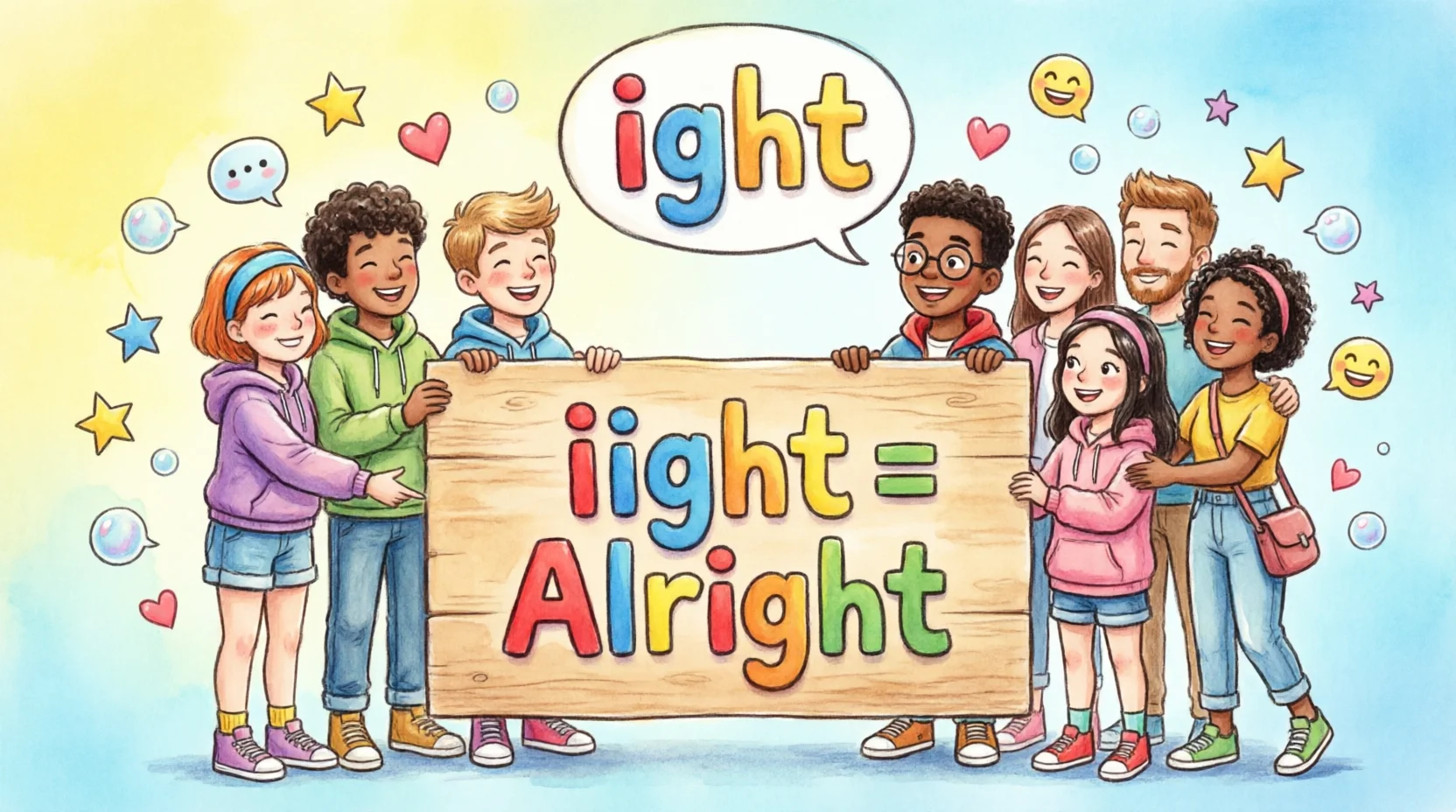
If you spend even a little time on social media, texting, or chatting with friends online, you’ve probably seen the word “ight” pop up everywhere. It looks short, casual, and a bit confusing at first. Many people even pause for a second and wonder what it actually means.
Is it a typo? Is it slang? Or does it have a deeper meaning?
The simple answer is: “ight” is a relaxed, casual way of saying “alright.”
But like most internet slang, the real meaning goes beyond just a dictionary explanation. The way people use it depends on tone, mood, and situation. In this guide, we’ll break everything down in a simple, beginner-friendly way so you fully understand what “ight” means and how to use it correctly in real conversations.
What Does “ight” Mean in Text?
In texting and online chats, “ight” means “alright.”
It is a shortened, more casual version of the word. People use it when they want to agree, acknowledge something, or respond in a relaxed way.
For example:
- “ight” = okay
- “ight” = cool
- “ight” = fine
- “ight” = I understand
It’s not formal language. You won’t use it in emails, school essays, or professional communication. Instead, it belongs to casual conversations between friends or on social media platforms.
Think of it as a quick, easy response that doesn’t require effort.
Where Did “ight” Come From?
The slang “ight” comes from the word “alright.”
Over time, in spoken English—especially in casual American slang—people started dropping letters and pronouncing it more quickly. So “alright” turned into something like:
- alright → a’ight → ight
This type of word shortening is very common in informal English. It usually starts in spoken language and then moves into texting, social media, and online culture.
Hip-hop culture, street language, and internet messaging all helped make “ight” popular. Today, it is widely used by younger generations across platforms like Snapchat, TikTok, Instagram, and WhatsApp.
How People Use “ight” in Conversations
The meaning of “ight” can slightly change depending on the situation. It’s not just one fixed definition. Instead, it works like a tone marker.
Here are the most common uses:
1. Agreement
When someone agrees with something casually.
Example:
- A: “Let’s meet at 6.”
- B: “ight.”
It simply means “okay, I agree.”
2. Acceptance
When someone accepts a situation or decision.
Example:
- A: “We’re going with this plan.”
- B: “ight, works for me.”
It shows acceptance without extra emotion.
3. Ending a conversation
Sometimes “ight” is used to wrap things up.
Example:
- A: “I’ll talk to you later.”
- B: “ight.”
It’s a simple closing response.
4. Neutral reaction
When someone doesn’t have a strong opinion.
Example:
- A: “This movie was okay, right?”
- B: “ight.”
It means “it was fine, nothing special.”
Tone Matters: “ight” Can Feel Different
One interesting thing about this slang is that tone changes everything.
Even though it’s a short word, it can express different moods depending on how it’s used.
1. Friendly tone
“ight 😊” (casual agreement, chill vibe)
2. Neutral tone
“ight.” (simple acknowledgment)
3. Slightly annoyed tone
“ight…” (can feel uninterested or tired)
For example:
- A: “Can you do this again?”
- B: “ight…”
Here, it might sound like the person is not very excited about it.
So even though it’s just one word, context is very important.
“ight” vs “alright”: What’s the Difference?
Many people wonder if there is any real difference between “ight” and “alright.”
The answer is yes—mainly in formality and tone.
Alright:
- Proper spelling
- Can be used in formal and informal situations
- More neutral and clear
Example:
- “Alright, I understand the instructions.”
Ight:
- Slang version
- Only used in casual chats
- Very relaxed tone
Example:
- “ight, I got it.”
So basically:
- “alright” = standard English
- “ight” = internet slang version
Examples of “ight” in Real Conversations
To fully understand how people use it, here are some realistic chat examples:
Example 1: Making plans
- A: “We going out tonight?”
- B: “ight, what time?”
Example 2: Agreeing casually
- A: “Let’s just stay home.”
- B: “ight, I’m cool with that.”
Example 3: Ending a chat
- A: “I’ll text you later.”
- B: “ight.”
Example 4: Slight frustration
- A: “You need to redo it.”
- B: “ight…”
Example 5: Simple acknowledgment
- A: “Don’t forget the meeting.”
- B: “ight, I won’t.”
These examples show how flexible the word is in everyday communication.
Where You’ll See “ight” Most Often
This slang is very common in online spaces where informal language is normal.
1. Text messages
Friends use it for quick replies.
2. Snapchat
Very common in short conversations and snaps.
3. TikTok comments
Used in reactions or agreement.
4. Instagram DMs
Casual chatting between users.
5. Gaming chats
Gamers often use it for fast communication.
Because it is short and easy to type, it fits perfectly into fast-paced digital conversations.
Why People Prefer Using “ight”
There are a few simple reasons why this slang became popular:
1. It’s faster
Typing “ight” is quicker than “alright.”
2. It feels casual
It makes conversations feel more relaxed.
3. It matches online culture
Social media encourages short, informal language.
4. It saves effort
People prefer short responses when chatting quickly.
In short, it’s all about convenience and style.
Different Variations of “ight”
Over time, people have created different versions or uses of the word.
1. “aight”
Another spelling variation, closer to pronunciation.
Example:
- “aight, see you later.”
2. “ight bet”
Means “okay, sure, deal.”
Example:
- A: “Pick you up at 8.”
- B: “ight bet.”
3. “ight then”
Used when confirming something.
Example:
- “ight then, let’s do it.”
These variations show how flexible slang can become in real conversations.
When NOT to Use “ight”
Even though it is popular, there are situations where you should avoid it.
1. Formal writing
Do not use it in:
- School essays
- Emails
- Job applications
- Professional messages
2. Serious conversations
Avoid it when the topic is important or sensitive.
3. Talking to strangers in formal context
It may look unprofessional or unclear.
For example, in a workplace chat, saying “ight” might not be appropriate. Instead, use “alright” or “okay.”
Is “ight” Rude?
Not really—but it can sound rude depending on tone.
For example:
- Friendly: “ight 👍” = okay, cool
- Neutral: “ight.” = simple response
- Cold: “ight…” = may feel uninterested or annoyed
So it’s not the word itself that is rude. It’s how it is used.
Similar Slang Words You Might See
If you’re learning “ight,” you might also see other similar slang words in chats:
1. “ok / k”
Simple agreement.
2. “bet”
Means okay, sure, or I agree.
3. “cool”
Positive agreement or approval.
4. “same”
Means I feel the same way.
5. “facts”
Means I agree completely.
These words all serve a similar purpose: quick responses in casual conversation.
How “ight” Reflects Internet Culture
Slang like “ight” shows how language is changing online.
People want:
- faster communication
- simpler typing
- relaxed tone
- emotional shortcuts
Instead of writing full sentences, people use short words that still carry meaning.
This is part of a bigger trend in internet language where words become shorter, more expressive, and more flexible.
Final Thoughts
So, what does “ight” really mean?
At its core, “ight” is just a casual, shortened form of “alright.” But in real use, it is more than that. It can mean agreement, acceptance, acknowledgment, or even a relaxed reaction depending on the situation.
It’s a perfect example of how modern internet slang works—simple, fast, and flexible.
If you’re texting friends or chatting online, using “ight” is completely normal. Just remember to pay attention to tone and context, because that’s what gives the word its real meaning.
In the end, it’s not just about spelling—it’s about how people communicate naturally in the digital world.
descover more post
What Does FN Mean in Text Real Meaning Examples 2026
What Does BDE Mean in Text Real Meaning Examples 2026
What Does what does atp mean texting Mean in Text 2026

M. Kiro is a passionate writer who enjoys turning everyday questions into clear and meaningful answers. He focuses on creating helpful, honest, and easy-to-read content for people who just want simple explanations without confusion. His work reflects consistency, hard work, and a deep commitment to helping readers understand things better.