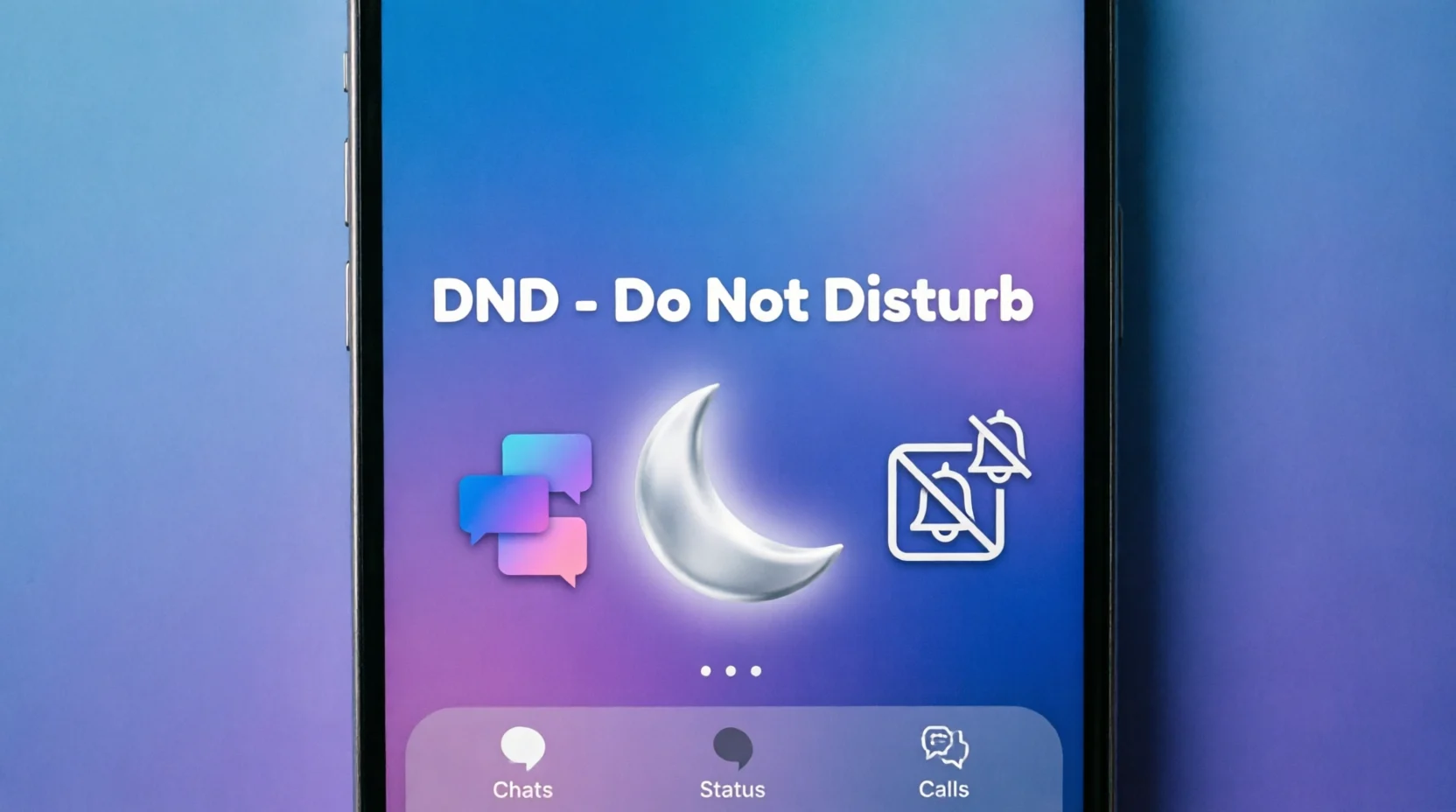
If you spend time on texting apps, gaming platforms, Snapchat, Instagram, or TikTok, you’ve probably seen someone write “DND” in a message or profile. At first glance, it can feel confusing because this short form has more than one meaning online.
In most conversations, “DND” simply means “Do Not Disturb.” People use it to show they are busy, sleeping, studying, gaming, working, or just avoiding notifications for a while.
But depending on the context, DND can also refer to the famous role-playing game “Dungeons & Dragons.” That’s why understanding the situation matters before you assume what someone means.
In this guide, you’ll learn the real meaning of DND in text, how people use it on social media, different examples, and when the slang changes meaning completely.
DND Meaning in Text
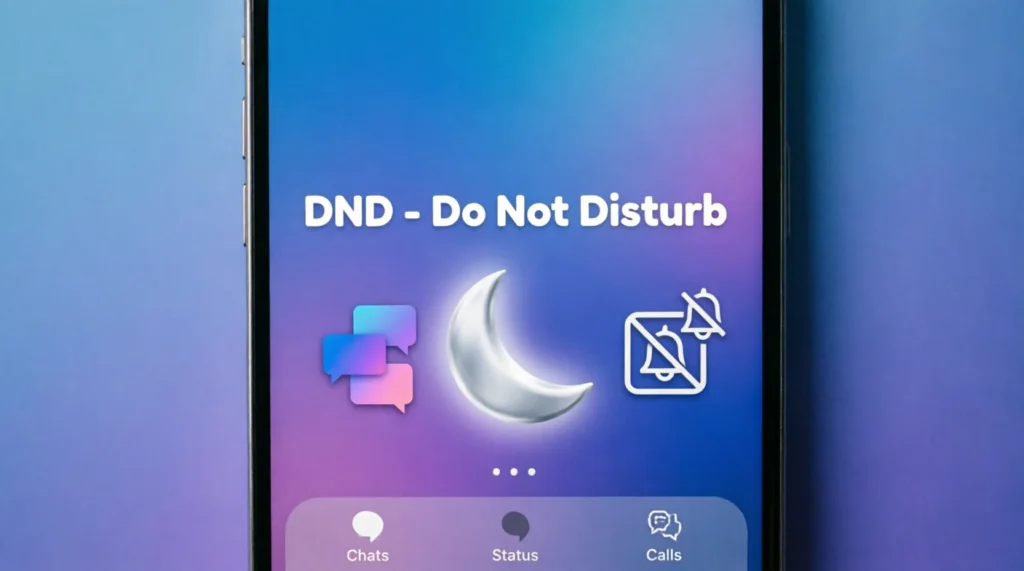
The most common meaning of DND in texting is:
Do Not Disturb
It’s a quick way to tell others that someone does not want interruptions right now.
People use DND when:
- They are sleeping
- They are studying
- They are in class
- They are working
- They are gaming
- They need personal space
- They want silence from notifications
The phrase originally came from phone settings. Most smartphones have a “Do Not Disturb” mode that silences calls, alerts, and messages. Over time, people started using the abbreviation directly in chats and social media captions.
For example:
- “Sorry, my phone was on DND.”
- “Going DND for a few hours.”
- “I stay on DND during exams.”
In texting culture, the phrase now works as both a literal phone setting and a social signal.
What Does DND Mean on Social Media?
On social media platforms, DND usually carries the same meaning: “Do Not Disturb.”
However, the tone can change depending on where it appears.
On Instagram
People may put DND in their bio or notes when they do not want messages or calls.
Example:
- “On DND today.”
- “Mentally on DND.”
Sometimes it also suggests someone wants a break from social interaction.
On Snapchat
On Snapchat, users often say:
- “My phone was on DND.”
- “I put everyone on DND.”
This can mean they muted notifications or ignored messages temporarily.
On TikTok
TikTok users sometimes use DND humorously or emotionally.
Examples include:
- “Me putting my life on DND.”
- “Weekend mode = DND.”
In videos, it can symbolize avoiding stress, drama, or people.
On Discord and Gaming Apps
Gamers commonly use DND status settings to show they do not want interruptions while playing.
In apps like Discord, DND literally changes a user’s status to unavailable.
DND Meaning in Chat
In casual chat conversations, DND often means:
- “I’m unavailable”
- “Don’t message me right now”
- “Notifications are muted”
- “I need quiet time”
The tone is usually not rude unless written aggressively.
For example:
Friend 1: “Why didn’t you reply?”
Friend 2: “Sorry, I was on DND.”
This simply explains the delay.
Sometimes people also use it jokingly:
- “Putting my brain on DND.”
- “Social battery dead. DND activated.”
Internet slang often turns everyday phrases into funny expressions like this.
DND Meaning From a Girl
When a girl says “DND,” it usually means exactly what it says: she wants peace, quiet, or fewer distractions.
Possible meanings include:
- She is busy
- She is upset
- She wants alone time
- She is studying or working
- She muted notifications
Example:
- “I’m on DND tonight, talk tomorrow.”
This does not automatically mean anger or rejection. Many people use DND casually without emotional meaning.
Context matters a lot.
If the conversation was normal before, it probably just means she is unavailable temporarily.
DND Meaning From a Guy
When a guy uses DND in text, it usually also means “Do Not Disturb.”
He may be:
- Gaming
- Working
- Sleeping
- Avoiding distractions
- Taking a break from social media
Example:
- “Going DND while I finish this project.”
In gaming communities, guys also frequently use DND as a status indicator.
Other Meaning of DND: Dungeons & Dragons
The second major meaning of DND online is:
Dungeons & Dragons
This is a famous fantasy tabletop role-playing game that has existed for decades.
People interested in gaming, fantasy, or streaming communities often use DND to refer to the game instead of “Do Not Disturb.”
Examples:
- “We’re playing DND tonight.”
- “I created a new DND character.”
- “DND campaigns take months sometimes.”
So if someone is talking about dragons, magic, campaigns, dice, or fantasy worlds, they probably mean the game.
Context is the key difference.
How to Tell Which Meaning of DND Someone Means
Here’s a simple way to figure it out.
It Means “Do Not Disturb” If:
The conversation includes:
- Notifications
- Sleeping
- Phone settings
- Replies
- Being busy
- Social media breaks
Example:
- “Sorry, my phone was on DND.”
It Means “Dungeons & Dragons” If:
The conversation includes:
- Gaming
- Dice
- Characters
- Campaigns
- Fantasy stories
- Role-playing
Example:
- “We started a new DND campaign.”
Most of the time, the surrounding words make the meaning obvious.
Examples of DND in Sentences
Here are real-life style examples of how people use DND in conversations.
Texting Examples
- “I had DND on all night.”
- “Putting my phone on DND while I study.”
- “Sorry for the late reply, DND mode.”
- “I go full DND during exams.”
- “Weekend = DND and sleep.”
Social Media Examples
- “Currently on DND mentally and emotionally.”
- “Life feels better on DND.”
- “DND activated.”
- “Phone on DND, peace restored.”
Gaming Examples
- “Can’t talk, DND raid tonight.”
- “My Discord is always on DND.”
- “We play DND every Friday.”
Why People Use DND Instead of Writing the Full Phrase
Internet slang became popular because people wanted faster communication.
DND is:
- Short
- Easy to type
- Widely recognized
- Common across apps
Typing “DND” takes only seconds, especially during fast conversations.
Abbreviations also feel more casual and modern online.
That’s why text slang continues growing on platforms like TikTok, Snapchat, and Discord.
Is DND Rude?
Usually, no.
Most people use DND politely to set boundaries or explain delayed replies.
For example:
- “Sorry, I had DND on.”
That sounds normal and respectful.
However, tone matters.
If someone says:
- “Leave me on DND.”
It can sound dismissive or annoyed depending on the conversation.
In healthy communication, DND is often just a practical way to manage attention and time.
Why DND Became Popular Online
Several reasons helped DND become common internet slang.
Smartphones Introduced the Feature
Both Android and iPhone devices include “Do Not Disturb” mode. Millions of users became familiar with the term through their phones.
Social Media Increased Constant Notifications
People now receive nonstop alerts from:
- Snapchat
- TikTok
- Discord
DND became shorthand for escaping digital overload.
Online Culture Loves Short Forms
Modern texting culture prefers abbreviations like:
- BRB
- IMO
- TBH
- IDK
- DND
Short slang spreads quickly because it is easy to remember and type.
DND vs Silent Mode
Many people think DND and silent mode are identical, but they are slightly different.
Silent Mode
Silent mode usually turns off sounds only.
Do Not Disturb Mode
DND can:
- Block calls
- Silence notifications
- Hide alerts
- Prevent pop-ups
- Allow exceptions for important contacts
That’s why people specifically say “DND” instead of simply “silent.”
Common Variations of DND Online
You may also see different versions of the phrase online.
“On DND”
Means someone activated Do Not Disturb mode.
Example:
- “I’m on DND tonight.”
“Going DND”
Means someone is becoming unavailable.
Example:
- “Going DND for a while.”
“DND Mode”
Refers directly to phone or mental focus mode.
Example:
- “Work time = DND mode.”
“Permanent DND”
Usually used jokingly.
Example:
- “I need permanent DND from stress.”
DND in Relationships and Friendships
Sometimes DND appears in emotional conversations too.
For example:
- “I put everyone on DND today.”
This can suggest someone feels overwhelmed or emotionally tired.
In relationships, people sometimes use DND to create temporary space without fully disconnecting.
Healthy use of DND can actually improve communication because it sets boundaries clearly instead of ignoring people without explanation.
Funny DND Memes and Internet Humor
DND has become part of meme culture because so many people feel overwhelmed by constant notifications.
Popular jokes include:
- “My peace begins when DND turns on.”
- “Emotionally unavailable = DND.”
- “Social battery low. Activating DND.”
- “Phone on DND, problems ignored.”
These jokes connect with modern digital life where people constantly deal with online pressure.
Should You Use DND in Professional Chats?
Yes, but carefully.
In casual workplace chats, DND is acceptable when explaining delayed responses.
Example:
- “Sorry, I had DND enabled during the meeting.”
But in formal emails or business communication, writing the full phrase “Do Not Disturb” may sound more professional.
Is DND Common Among Teenagers?
Yes, very common.
Teenagers and young adults frequently use DND because they spend a lot of time on:
- Messaging apps
- Gaming platforms
- Social media
The slang feels natural in modern online communication.
Many teens also use DND emotionally to describe needing space from drama or stress.
Similar Slang Terms Related to DND
Here are some similar internet expressions people use online.
AFK
Means “Away From Keyboard.”
BRB
Means “Be Right Back.”
Ghosting
Ignoring messages completely without explanation.
Muted
Silencing notifications from specific people or apps.
Offline
Not active online.
These terms often appear in similar conversations as DND.
Final Thoughts
DND is a simple internet slang that usually means “Do Not Disturb,” used when someone wants privacy, focus, or a break from notifications. In some cases, it can also mean the game “Dungeons & Dragons,” depending on the context.
Most of the time in texting and social media, it’s just a polite way to say someone is busy or unavailable for a while. Understanding the situation around the word helps you quickly know what the person actually means.
descover more post
What Does ttys Meaning Mean in Text Real Meaning …
What Does what do yk mean in text Mean in Text Real …
What Does CM Mean in Text Real Meaning Examples 2026

S. Varo is a passionate and hardworking content creator who specializes in explaining modern language, symbols, and digital expressions in a simple way. Known for delivering clear, well-researched, and user-focused content, S. Varo believes in creating information that truly helps readers. Every piece is crafted with dedication, accuracy, and a deep understanding of what users are searching for.